
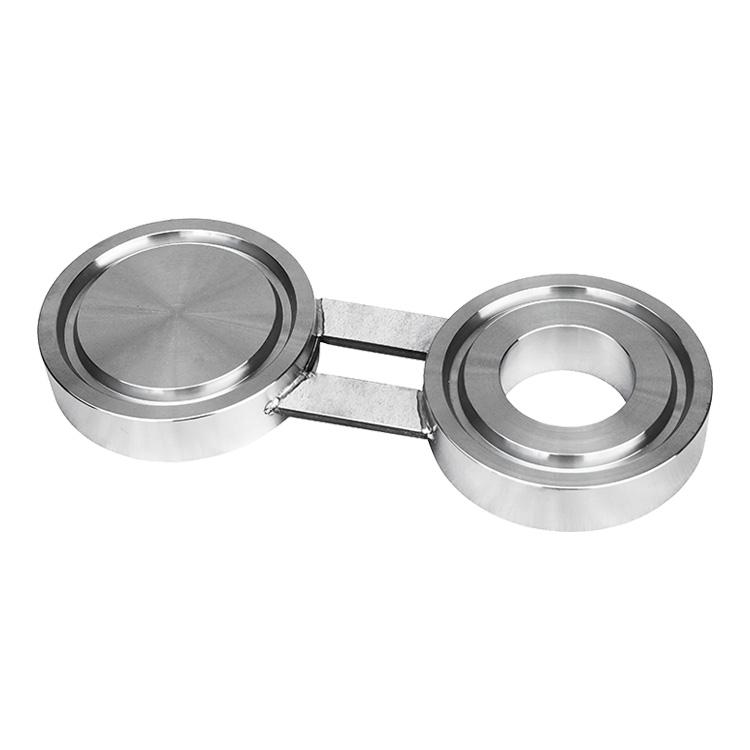
Carbon steel pipe flanges are essential components in industrial piping systems, providing a secure, detachable
connection between pipes, valves, pumps, and other equipment. In demanding applications, a reliable
carbon steel pipe flange manufacturer supplies products designed for strength, pressure resistance,
dimensional accuracy, and long service life. For industries that depend on stable flow control and safe system
operation, selecting the right carbon steel pipe flange type is a critical part of system design,
maintenance planning, and procurement strategy.
This page provides industry-wide information about carbon steel pipe flange manufacturers for industrial systems,
including product definitions, core advantages, common standards, material grades, flange types, specification tables,
and key selection factors. It is designed for use in industrial directories, product category pages, manufacturing
blogs, and SEO-focused landing pages. The content is general, original, and focused on high-value search terms such as
carbon steel pipe flanges, industrial pipe flange manufacturer,
steel pipe flange specifications, and flange connection systems.
A carbon steel pipe flange is a mechanical connector used to join pipes, fittings, valves, and equipment in a piping
system. Unlike permanent welded joints, flanges create a bolted connection that can be assembled, inspected, removed,
or replaced with relative ease. This makes flanges especially valuable in industrial environments where maintenance,
inspection, and equipment upgrades are common.
Carbon steel is widely used because it offers a strong balance of mechanical strength, cost efficiency, weldability,
and compatibility with many industrial media. A carbon steel pipe flange manufacturer typically produces
flanges for applications involving water, oil, gas, steam, compressed air, chemical utilities, power generation,
petrochemical systems, HVAC networks, fire protection systems, and general process piping.
In industrial systems, flanges are not just connection accessories. They are structural and functional components that
affect system integrity, pressure performance, sealing reliability, and maintenance efficiency. This is why many buyers
search for a reliable carbon steel flange supplier or industrial flange manufacturer that
can deliver consistent quality, accurate machining, and compliance with global standards.
Carbon steel pipe flanges are popular across many sectors because they combine durability, versatility, and practical
economics. Compared with more specialized alloy materials, carbon steel is often the preferred choice when a project
requires dependable performance at a reasonable cost.
| Key Advantage | Industrial Value |
|---|---|
| High strength | Supports pressure, load, and vibration in demanding systems |
| Cost-effective | Offers competitive pricing for large-scale industrial projects |
| Wide availability | Available in many sizes, classes, and standards |
| Good weldability | Compatible with common fabrication and installation methods |
| Easy maintenance | Bolted design allows faster inspection and replacement |
| Standardized dimensions | Supports interchangeability and system integration |
| Suitable for many media | Used in water, steam, oil, gas, and utility piping systems |
For large industrial networks, material efficiency and reliability are both important. Carbon steel flanges can help
reduce lifecycle cost while still supporting strong mechanical performance. This is one reason why purchasing teams
often compare multiple carbon steel pipe flange manufacturers when sourcing components for industrial
systems.
A carbon steel pipe flange manufacturer usually serves a broad range of industries. The versatility of carbon steel
makes these flanges suitable for many process and utility applications.
| Industry | Typical Application |
|---|---|
| Oil and gas | Pipelines, refining systems, pumping stations, transfer lines |
| Petrochemical | Process piping, utility lines, equipment tie-ins |
| Power generation | Steam systems, cooling lines, auxiliary piping |
| Water treatment | Distribution lines, filtration systems, pump connections |
| HVAC and utilities | Chilled water, heating water, mechanical piping |
| Fire protection | Sprinkler systems, risers, branch connections |
| Chemical plants | Non-corrosive or controlled-service piping |
| Shipbuilding | Marine utility systems and onboard pipelines |
| General manufacturing | Compressed air, cooling water, and process support systems |
In each of these sectors, flange selection must support the operating environment, design pressure, temperature range,
and required service life. A professional industrial pipe flange manufacturer provides products that
align with these conditions and meet applicable engineering requirements.
Different industrial systems require different flange styles. A carbon steel pipe flange manufacturer generally offers
several common flange configurations to match installation methods and service demands.
| Flange Type | Typical Use | Key Feature |
|---|---|---|
| Weld Neck Flange | High-pressure and high-temperature systems | Long tapered hub for stress distribution |
| Slip On Flange | General industrial piping | Easier installation and alignment |
| Blind Flange | Line termination and pressure testing | Solid closure without pipe opening |
| Socket Weld Flange | Small-diameter high-pressure piping | Socket connection for compact systems |
| Threaded Flange | Non-welded assembly systems | Useful where welding is not preferred |
| Lap Joint Flange | Systems requiring frequent dismantling | Works with stub end for easier rotation |
| Orifice Flange | Flow measurement systems | Designed for instrumentation and metering |
| Plate Flange | General utility and fabrication projects | Simple flat construction |
Among these styles, the weld neck flange is often used in high-stress environments, while slip on flanges are common
in general-purpose industrial lines. Blind flanges are important for system isolation, and threaded flanges can support
installations where welding access is limited. The right choice depends on pressure class, pipe size, service fluid,
and maintenance requirements.
Carbon steel pipe flanges are produced using different grades depending on the application, design code, and required
mechanical performance. The material grade affects strength, toughness, temperature suitability, and overall service
reliability.
| Common Material Grade | Typical Standard | General Characteristics |
|---|---|---|
| ASTM A105 | Forged carbon steel | Common choice for ambient and high-temperature pressure service |
| ASTM A350 LF2 | Low-temperature carbon steel | Used where improved low-temperature toughness is needed |
| ASTM A694 | High-yield carbon steel | Suitable for high-pressure pipeline and transmission systems |
| ASTM A181 | Forged carbon steel | Used in lower-pressure general service applications |
| ASTM A516-based applications | Plate-derived carbon steel | Used in fabricated flange-related components and custom solutions |
A capable carbon steel pipe flange manufacturer understands how grade selection impacts performance.
Buyers should always match the flange material to the piping code, operating temperature, pressure rating, and the
characteristics of the transported medium. In industrial procurement, the lowest price is not always the best choice if
the material grade is not aligned with the application.
Flanges are commonly produced in standardized pressure classes. These classes define pressure capability and help
engineers select components that match the operating system. The exact pressure-temperature ratings depend on material,
size, and standard used.
| Pressure Class | Common Industrial Use | General Description |
|---|---|---|
| Class 150 | Low to moderate pressure systems | Widely used for utility and general process lines |
| Class 300 | Medium-pressure industrial systems | Higher pressure capacity than Class 150 |
| Class 600 | Higher-pressure process lines | Common in demanding industrial services |
| Class 900 | Severe service applications | Designed for more extreme operating conditions |
| Class 1500 | High-pressure specialized systems | Used where robust connection strength is required |
| Class 2500 | Very high-pressure installations | Applied in critical high-load piping systems |
In addition to class, flange size is a major specification. Manufacturers may supply standard sizes from small-diameter
pipe connections to large-diameter industrial lines. Accurate dimensional control is essential because even minor
tolerance issues can affect sealing performance, alignment, and installation speed.
The following table provides a general overview of common specification categories used by a carbon steel pipe flange
manufacturer for industrial systems.
| Specification Item | Typical Range or Description |
|---|---|
| Nominal size | Commonly from small-bore sizes up to large-diameter industrial piping |
| Pressure rating | Class 150, 300, 600, 900, 1500, 2500 |
| Face type | Flat Face, Raised Face, Ring Type Joint |
| Standards | ASME, ANSI, EN, DIN, JIS, BS, ISO-related formats |
| Material | Carbon steel, forged carbon steel, low-temperature carbon steel |
| Connection method | Weld neck, slip on, threaded, socket weld, blind, lap joint |
| Surface treatment | Anti-rust oil, black paint, galvanizing, custom coating |
| Inspection | Dimensional check, visual inspection, pressure-related verification |
| Documentation | Material certificates, test reports, traceability records |
These specifications are commonly reviewed during procurement and engineering approval. A trustworthy
carbon steel flange manufacturer will be able to provide consistent product data, conforming dimensions,
and clear identification for project documentation.
The sealing face plays a major role in leak prevention and gasket performance. Different face types are selected based
on pressure, gasket design, and service conditions.
| Face Type | Function | Common Use |
|---|---|---|
| Flat Face (FF) | Provides a flat sealing surface | Used in lower-pressure or cast-iron interface systems |
| Raised Face (RF) | Concentrates gasket load on a raised sealing area | Very common in industrial piping |
| Ring Type Joint (RTJ) | Uses a metal ring gasket for high-integrity sealing | Applied in high-pressure and critical service |
| Large Male/Female | Improves alignment and gasket control | Used in certain specialized systems |
| Tongue and Groove | Offers precise gasket positioning | Used where sealing precision is important |
The face type must match the gasket type and system design. For example, raised face flanges are common in general
process service, while RTJ flanges are selected for more demanding or high-pressure applications. This is another area
where a knowledgeable industrial flange supplier can help buyers choose the proper configuration.
Choosing a specialized carbon steel pipe flange manufacturer can bring multiple operational and
procurement benefits. These advantages matter for engineering teams, distributors, contractors, and plant maintenance
departments.
In industrial systems, flange failure can lead to downtime, safety concerns, and costly repairs. That is why buyers
often evaluate not only the product itself but also the manufacturing process, inspection capability, and documentation
practices of the flange producer.
Although exact production methods vary by product type and standard, a carbon steel pipe flange manufacturer usually
follows a controlled process to ensure dimensional precision and mechanical reliability.
This production sequence helps ensure that each flange can perform in industrial environments where pressure, vibration,
temperature variation, and repeated assembly cycles are common. For critical projects, buyers may also request additional
documentation or third-party inspection.
Selecting the correct flange is a technical decision. The right choice depends on more than pipe size alone. Engineers
and purchasing teams should evaluate several factors before placing an order with a carbon steel pipe flange manufacturer.
| Selection Factor | Why It Matters |
|---|---|
| Pipe size | Must match the nominal diameter of the piping system |
| Pressure class | Determines the load-bearing and sealing capability |
| Temperature range | Affects material performance and safety margin |
| Service medium | Influences corrosion risk and gasket compatibility |
| Connection type | Welded, threaded, or bolted systems require different designs |
| Maintenance frequency | Frequent dismantling may favor lap joint or similar solutions |
| Applicable standard | Ensures compliance with project and regulatory requirements |
| Seal type | Must match the flange face and expected service conditions |
A flange that is too weak, incorrectly sized, or incompatible with the gasket can cause leakage, alignment issues, or
premature wear. Proper selection helps improve safety, reduce downtime, and simplify installation.
Carbon steel can oxidize when exposed to moisture and harsh environments, so surface protection is often important.
Many manufacturers offer several finishing options to support storage, transportation, and service conditions.
| Surface Treatment | Purpose |
|---|---|
| Black paint | Basic protection for general industrial handling |
| Anti-rust oil | Helps protect surfaces during storage and shipment |
| Galvanizing | Improves corrosion resistance in certain outdoor applications |
| Epoxy coating | Used for enhanced environmental protection |
| Custom coating | Supports special project or site requirements |
Surface treatment does not replace correct material selection, but it can improve appearance, durability, and handling
safety. For large inventory programs, proper coating and packaging also help reduce damage during transport and storage.
Quality control is one of the most important indicators of a dependable carbon steel pipe flange manufacturer.
Industrial buyers should expect a structured inspection process that supports product consistency and code compliance.
| Quality Control Item | Purpose |
|---|---|
| Dimensional inspection | Checks size, thickness, bolt circle, and bore accuracy |
| Visual inspection | Identifies surface defects, cracks, and machining issues |
| Material verification | Confirms grade and traceability |
| Marking check | Ensures correct standard, size, and class identification |
| Surface finish inspection | Confirms sealing area quality |
| Documentation review | Supports project records and quality assurance |
For major industrial projects, buyers may require certificates, inspection reports, and traceability records. These
documents help confirm that the flanges meet engineering expectations and support easier acceptance at site level.
To help this content perform well in search engines, the following related phrases are naturally relevant to the topic:
carbon steel pipe flange manufacturer, industrial pipe flange supplier,
carbon steel flange for industrial systems, steel flange specifications,
ASME carbon steel flanges, forged carbon steel flanges,
weld neck flange manufacturer, raised face flange supplier,
pipe flange dimensions, pressure class flange, and industrial piping components.
These keywords reflect common search intent from engineers, distributors, procurement teams, and contractors. Pages that
use them naturally, while also providing useful technical information, are more likely to attract relevant organic traffic.
Whether sourcing for a new installation or replacement program, industrial buyers should consider more than basic price.
The following points are often evaluated when comparing a carbon steel pipe flange manufacturer.
These factors are especially important for projects with tight schedules, strict quality control, or demanding service
conditions. A well-prepared manufacturer can reduce procurement risk by supplying consistent products and accurate
technical information.
Carbon steel pipe flanges are commonly produced in accordance with recognized international standards. The exact standard
depends on project location, engineering code, and end-user requirements.
| Standard Family | Typical Market Use |
|---|---|
| ASME / ANSI | Common in North American and international industrial piping |
| EN | Widely used in European engineering projects |
| DIN | Used in many European and global industrial systems |
| JIS | Common in Japanese and Asia-Pacific applications |
| BS | Found in legacy and some current international installations |
| ISO-related references | Used where global compatibility is needed |
Standard compliance helps ensure that flanges fit correctly with other piping components, reducing installation time and
minimizing the risk of leakage or misalignment. This is one reason standardization is central to industrial flange
manufacturing and procurement.
Industrial buyers often search for technical terms with clear commercial intent. A well-structured page about a
carbon steel pipe flange manufacturer for industrial systems can rank well because it matches both
informational and transactional search intent. People want to understand what the product is, how it works, what
standards apply, and how to evaluate suppliers.
SEO-friendly industrial content typically performs better when it includes:
This format helps search engines understand the topic while also making the page useful to engineers, buyers, and
project managers. For that reason, content built around carbon steel pipe flanges should be both
technically informative and easy to navigate.
A carbon steel pipe flange manufacturer plays a key role in industrial systems by supplying durable, standardized,
and cost-effective flange solutions for pipes, valves, pumps, and equipment connections. Carbon steel flanges are
widely used because they offer excellent strength, reliable sealing performance, and broad compatibility across many
industrial applications.
From weld neck flanges and slip on flanges to blind flanges and threaded flanges, each design serves a specific purpose.
Material grades, pressure classes, face types, standards, surface treatments, and inspection practices all influence
product performance. When selecting a carbon steel pipe flange manufacturer for industrial systems,
buyers should focus on quality, consistency, documentation, and compatibility with project requirements.
For SEO and directory use, this topic supports a strong combination of commercial keywords and technical search intent.
With clear structure, original explanation, and detailed tables, this content can be inserted directly into an HTML page
and used as the core of a blog post, category page, or industry information page.
```


著作権 © 2022 浙江松林フランジ株式会社
サイトマップこの Web サイトでは、お客様に最高のエクスペリエンスを提供するために Cookie を使用しています。

 English
 Español
 Pусский
 Français
 Deutsch
 한국어
한국어 العربية
 Italiano
 Nederlands



 ワッツアップ
 電話
電話
コメント
(0)